


Parasitic skin diseases are a separate group of pathologies caused by arthropods or helminths.Parasites have a negative effect on the body - irritation, poisoning with waste products and sensitization (increased sensitivity to allergens).When subcutaneous parasites multiply, complaints of itching, rash, and intoxication appear.
Symptoms of subcutaneous parasites in humans
Parasites on human skin belong to the group of infectious diseases.However, in medical practice, infectious and parasitic pathologies are separated, because the first is mainly caused by unicellular organisms, and the second by multicellular organisms.Skin pathogens are divided into three categories:
- Arthropods are protostomes covered with a chitinous cuticle.In 90% of cases, the skin is affected by only 2 representatives of this type of organisms - the itch mite and the itch mite (Demodex).
- Helminths are worms that parasitize the skin not only of humans, but also of many animals.According to WHO, every second person on Earth is infected with helminthic infestation every year.Commonly identified subcutaneous parasites include schistosomes and tapeworms.
- Fly larvae are organisms that parasitize human skin before developing into adults.

Subcutaneous parasites cause various diseases, so their clinical manifestations vary greatly.
Cysticercosis
Cutaneous cysticercosis is a helminthosis caused by pork tapeworm.Infection occurs by consuming water and food containing helminth larvae.Parasites on human skin form cavity formations, which are dense fibrous capsules, inside which tapeworm larvae develop.
Symptoms of cysticercosis:
- tumor-like compressions on the skin;
- nettle fever;
- skin itching;
- increase in the number of leukocytes in the blood.
In 90% of cases, parasites affect the skin of the palms, chest and upper shoulders.
Schistosomiasis
Parasitic disease is caused by schistosomes, fluke parasites that can live not only on the skin, but also in the organs of the genitourinary and alimentary systems.Subcutaneous worms secrete toxins, so schistosomiasis is accompanied by severe allergic reactions and intoxication.Parasites are widespread in Asia, Latin America and Africa.
Schistosomes penetrate the skin when bathing in contaminated water bodies or washing clothes with contaminated water.Damage to the body by parasites is indicated by:
- local swelling of the skin;
- redness;
- rash spots.
Parasites secrete harmful substances, so patients complain of fever, excessive sweating, joint pain, and tremors.

Schistosomiasis can be treated with drugs only in the initial stage.When the internal organs are infected with parasites, the narrowing of the ureter is observed, which can only be removed surgically.
Mias
Myiasis are parasitic diseases caused by fly larvae.The larvae of flies belonging to the genera Wohlfahrtia and Chrisomyia are most often found on human skin.Parasites have a devastating effect on:
- epidermis;
- dermis;
- subcutaneous tissue;
- muscles.
Like many other parasitic skin diseases, miosis is manifested by itching in the initial stage.Complaints arise when the following tissues are destroyed:
- unbearable pain in the affected areas;
- high temperature;
- weakness;
- headaches;
- state of unconsciousness.
Parasites remain in the larval stage for no more than 6 days.During this time, they make many passes under the skin, which increases the risk of infection and a dangerous complication - gangrene.
Filariasis
The causative agent of helminthic disease is filariae - representatives of nematodes (roundworms).They parasitize in the lymphatic vessels and the fat layer under the skin.Worms of the order Filariata mainly live in the following places:
- South Asia;
- Africa;
- Central America.
Depending on the location of the lesions, pathogen and symptoms, the following types of filarial skin invasions are distinguished:
- onchocercosis;
- mansonellosis;
- loiasis
The source of infection is a person infected with filariasis.Worm larvae are carried by Simulium midges that live near water bodies.Larvae enter the body during vinegar.Under the human skin, worms circulate through the lymphatic vessels and enter the superficial layers of the dermis.

Parasites poison the patient's body, which causes exacerbation of dermatoses, depigmentation and sagging of the skin.
Symptoms of filariasis:
- fever;
- skin itching;
- stripping;
- nodular rashes;
- wounds on the body;
- thickening of the skin;
- atrophy of the epidermis.
Dracunculosis
Helminth infestation is caused by guinea worm, a nematode parasitic in subcutaneous fat and intermuscular tissues.Infection occurs when drinking water with cyclops - microscopic crustaceans that are intermediate carriers of roundworms.
Parasites under the skin secrete a secret that provokes inflammation and pseudofuruncles.Dracunculosis is manifested by the following symptoms:
- swelling of the face;
- nettle fever;
- itchy skin;
- nausea;
- vomiting;
- swelling of the joints;
- inflammation of the lymph nodes.

At the point where the tooth emerges from the surface of the body, a compression appears, which turns into a blister.After a few days, it is opened and a parasite is found in the wound.
Demodectic scabies
Iron grass (Demodex) is a microscopic Demodex folliculorum and Demodex brevis mite that causes diseases from the acariosis group.Parasites live in the body of more than 90% of the population, but only cause demodicosis in some people.Active tick reproduction causes:
- chronic stress;
- hypovitaminosis;
- excessive oil production;
- seborrheic dermatitis;
- immunodeficiency states.
Typical manifestations of demodicosis:
- redness of the face;
- pink pimples;
- severe itching;
- swelling;
- excessive sebum secretion;
- nodular formations.

If the parasite infects the eyelids, the eyelashes fall out, the skin swells, and suppuration in the corners of the eyes is observed.If treatment is delayed, demodicosis is complicated by blepharoconjunctivitis.
itching
The disease is caused by the anthropophilic scabies mite Sarcoptes scabiei.The source of parasitic infection is a sick person.Infection occurs as a result of tactile contact with the carrier or the use of objects contaminated with parasites.Ticks living under the skin actively lay eggs.Therefore, patients complain of severe itching that worsens in the evening.
The presence of parasites in the body is indicated by the following:
- rashes in the navel area;
- 5-8 mm long grayish lines on the skin;
- single red spots on the face;
- small lumps or bubbles;
- scratching due to severe itching.
The movement of parasites under the skin causes increased itching.Scabs are clearly visible under a magnifying glass.At the end of each of them there are small bubbles where the tick lays eggs.
Other dangerous parasites
Skin diseases caused by parasites can cause complications in other organs.Delayed treatment can prevent worms, ticks, fly larvae, etc.leads to intoxication with waste products.The toxic load on the body disrupts the functioning of the immune system.Therefore, timely elimination of parasitic infections is fraught with autoimmune diseases - psoriasis, pemphigus.
Common skin diseases:
- Dirofilariasis is a pathology caused by helminths of the genus Dirofilaria.Residents of Europe are more often diagnosed with the subcutaneous form, which is manifested by thickening of the dermis, nodular rashes, baldness, and numerous ulcers on the body.
- Ankylostomiasis is a geohelminthosis caused by hookworm.The larvae of the parasite are localized mainly in the skin of the feet and legs, causing swelling, redness and severe itching.
- Lyme disease is an infectious pathology transmitted by the ixodid tick.Manifests itself as erythema migrans - skin itching, ring-shaped spots on the body, crusts.

Nematodes and other parasites can live in the human body for decades, causing diseases of the heart, lungs and other vital organs.Therefore, at the first signs of a parasitic infection, you should consult a doctor - a dermatologist or a parasitologist.
Treatment of parasitic skin diseases
The treatment strategy depends on the type of parasites and the presence of complications.Some diseases can be treated with medicine, while others can only be removed by surgery.
Local remedies
Removal of parasites with topical preparations is effective only if there are parasites in the subcutaneous tissue.
| Types of parasitic diseases | The principle of action of foreign drugs |
|---|---|
| Demodicosis | inhibits the reproduction of iron grass |
| itching | has a toxic effect on microscopic ticks, destroys nerve cells of parasites |
| myiasis | destroy the larvae, preventing further damage to the skin and fiber |
| dracunculosis | to eliminate the manifestations of parasitic dermatoses by inhibiting the vital activity of arthropods and helminths |
Local treatment of cysticercosis, filariasis and schistosomiasis is ineffective.Local antiseptics are prescribed to prevent purulent complications.Glucocorticosteroid ointments are used to eliminate inflammation.
Tablets
If local remedies are ineffective and there are lesions in the internal organs, systemic antiparasitic drugs are prescribed.
| Types of parasitic diseases | The principle of action of systemic drugs |
|---|---|
| cysticercosis | causes muscle contraction of the parasites, which leads to permanent paralysis and death of the adult parasites in the skin. |
| schistosomiasis | destroys the outer shells and causes paralysis of the worms, which leads to their death |
| myiasis | Antiparasitic agents prevent further development of parasites |
| filariasis | disrupts the conduction of nerve impulses in the muscle layer, causes paralysis and death of parasites. |
| dracunculosis | weakens helminths, has a toxic effect on their nervous system |
Treatment of demodicosis and scabies with tablets is ineffective, this is due to the characteristics of the life cycle of ticks.
Surgical methods
Single parasites are surgically removed from under the skin.Depending on the indications, operations are performed under local anesthesia in an inpatient or outpatient setting.For patients with myiasis, the wounds are washed with antiseptics, then the worms are removed with special clamps or tweezers.If part of the parasite remains in the skin, it is cut to remove the worm.This prevents tissue decay.
In advanced forms of filariasis, operations are performed to restore lymph flow:
- dermatofasciolipectomy;
- lymphovenous anastomosis;
- tunneling in lymphedema.
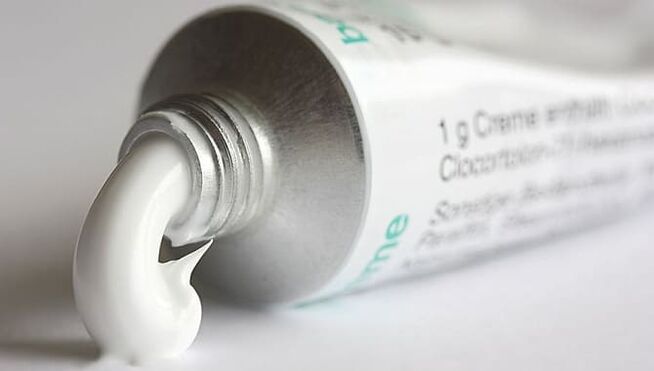
To exclude secondary infections, the operated areas of the skin are treated with antimicrobial ointments.
Prevention of infection
Human skin parasites cause serious complications, some of which are irreversible.To prevent infestation by parasitic worms or ticks, you should:
- observe the rules of personal hygiene;
- wash vegetables and fruits thoroughly before eating;
- provide veterinary supervision of domestic cats and dogs;
- undergo regular vaccinations;
- avoid swimming in bodies of water infected with parasites;
- Passes exams after traveling to Latin American, Asian or African countries.
In the initial stage, many diseases are asymptomatic.Therefore, residents of countries with a humid climate should perform an enzyme immunoassay at least 2 times a year to check the presence of parasites in the body.Timely treatment of parasitic infections reduces the risk of life-threatening complications.